






Blogs About Healthy Lifeslyle
Building a Healthy and Balanced Diet
A veritable avalanche of influencers, news headlines, and well-meaning friends and family offer conflicting advice on wellness. If you're overwhelmed by fads and
hype around wellness, read on. Dr. Wynne Armand, a primary care physician at Harvard-affiliated Mass General Brigham health care in Boston, recommends five simple
habits to boost health and wellness in everyday life.
Read more
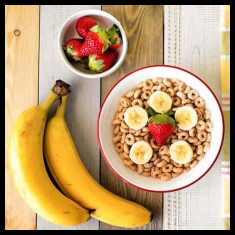
I have a confession: I like cereal. And not just a little.
When I was a kid, I'd have ready-to-eat breakfast cereal in the morning and again after dinner as dessert. Raisin Bran, Corn Flakes, and Rice Krispies were in regular
rotation. And if there was milk left over after finishing the cereal, I'd do what so many other cereal lovers do: add more cereal until the milk and cereal disappear
together. Cereal is still on my short list of favorite foods.
I'm not alone in this. In the US, more than a quarter of children and adolescents devour ready-to-eat cereal for breakfast most days of the week. Among adults, around
half eat cereal at least once or twice a week.
Read more
The global rise in temperatures spawns more frequent and intense heat waves. Prolonged or extreme heat poses serious health risks for everyone but is a particular worry for
older adults. What steps can you take to manage heat-related risks, especially if you have existing health conditions or take certain medications?
"Understanding risks and recognizing signs and symptoms of heat illness are especially important for older adults," says Dr. Wynne Armand, a primary care physician at
Harvard-affiliated Massachusetts General Hospital, and associate director of the Mass General Center for the Environment and Health.
Read more
In the world of nutrients, minerals, vitamins, and supplements, magnesium seems to be having a moment. Perhaps it's long overdue: in many ways, magnesium has been overlooked,
underappreciated, or even forgotten. That may be ending.
But why is magnesium getting so much attention lately? Are claims about its benefits true? Are you getting enough magnesium, or should you join the rising number of people who take
magnesium supplements every day? If you have these questions, this post is for you.
Read more
An F may mean failure in school, but the letter earns high marks in your diet. The two biggest dietary Fs - fiber and fermented foods - are top priorities to help maintain healthy digestion, and they potentially offer much more.
How can you fit these nutrients into meals? Can this help your overall health as well as gut health?
The gut microbiome is a composed of bacteria, viruses, fungi, and other microorganisms living in the colon (large intestine). What you eat, the air you breathe, where you live, and many other factors affect the makeup of the gut microbiome.
Some experts think of it as a hidden organ because it has a role in many important functions of the body - for example, helping the immune system function optimally, reducing...
Read more
Not such good news for butter lovers like myself: seesawing research on how healthy or unhealthy butter might be received a firm push from a recent Harvard study published in JAMA Internal Medicine. Drawing on decades of data gathered
through long-term observational studies, the researchers investigated whether butter and plant oils affect mortality.
One basic takeaway? "A higher intake of butter increases mortality risk, while a higher intake of plant-based oil will lower it," says Yu Zhang, lead author of the study. And importantly, choosing to substitute certain plant oils for butter
might help people live longer.
Read more
Have you met your step goals today? If so, well done! Monitoring your step count can inspire you to bump up activity over time.
But when it comes to assessing fitness or cardiovascular disease risk, counting steps might not be enough. Combining steps and average heart rate (as measured by a smart device) could be a better way for you to assess fitness and gain insights
into your risk for major illnesses like heart attack or diabetes. Read on to learn how many steps you need for better health, and why tagging on heart rate matters.
Read more
PIf you've been on TikTok lately, you know it's hard to avoid countless influencers touting a concept called sleepmaxxing. Their posts provide tips and tricks to get longer, better, and more restorative sleep. And why not? Sleep is considered a
pillar of good health and is related to everything from brain health to cardiovascular health, and even diabetes.
But what exactly is sleepmaxxing? And how likely is it to deliver on claims of amped-up energy, a boost to the immune system, reducing stress levels, and improving your mood?
Read more
For neuroscientist Sara Lazar, a form of meditation called open awareness is as fundamental to her day as breathing.
"I just become aware that I am aware, with no particular thing that I focus on," explains Lazar, an associate researcher in the psychiatry department at Massachusetts General Hospital and assistant professor of psychology at Harvard Medical School.
"This sort of practice helps me become more aware of the subtle thoughts and emotions that briefly flit by, that we usually ignore but are quite useful to tune into."
Read more
News flash: What we eat can play a pivotal role in warding off - or treating - disease and enhancing quality of life. You may already believe this, and certainly mounting evidence supports that idea. But on the cluttered shelf of diets claiming
top health benefits, which one ranks as the absolute best?
That's a trick question. In fact, there is no single best diet. A good diet for me may be different from what's best for you. And for either of us, there may be several good choices with no clear winner.
Read more
Americans love their ultra-processed foods, whether they come as cereal (like Cap'n Crunch, a favorite of mine as a kid), snack foods (like Cheetos), entrees (like hot dogs), or desserts (like Twinkies). Sure, loading your plate with vegetables,
fruits, fish, healthful oils, and grains in a Mediterranean-style diet boosts heart and brain health. But if you also eat some ultra-processed foods, is that bad for your brain health?
A new study appears to deliver resounding yes: eating ultra-processed foods is linked to a greater risk of cognitive impairment and strokes.
Read more
Dementia usually develops in people ages 65 years and older. So-called young-onset dementia, occurring in those younger than age 65, is uncommon. Now, a new study published in December 2023 in JAMA Neurology has identified 15 factors linked to a higher risk of young-onset dementia.
Let's see what they found, and - most importantly - what you can do to reduce your own risks.
Read more