
-

Healthy Veggies
-

Healthy Pastries

Secrets of
Healthy Eating
The key to a healthy diet is to eat the right amount of calories for how active you are so you balance the energy you consume with the energy you use.
If you eat or drink more than your body needs, you'll put on weight because the energy you do not use is stored as fat. If you eat and drink too little, you'll lose weight.
You should also eat a wide range of foods to make sure you're getting a balanced diet and your body is receiving all the nutrients it needs.
It's recommended that men have around 2,500 calories a day (10,500 kilojoules). Women should have around 2,000 calories a day (8,400 kilojoules).
Read more
-

Tennis Workout
-

Pickleball Workout

Secrets of
Sport Workout
Sports performance training, also known as athletic performance training or sports conditioning, refers to a systematic and targeted approach to improving an
athlete’s physical abilities, skills, and overall performance in their chosen sport. It involves a combination of specific exercises, drills, and training techniques
designed to enhance an athlete’s strength, power, speed, agility, endurance, flexibility, coordination, and overall athleticism. Sports performance training programs are tailored to meet the unique demands of different sports and the individual needs of athletes. Subsequently, these programs typically focus on developing sport-specific skills, improving physical fitness, preventing injuries, and optimizing performance during competition.
Read more
-

Healthy Yoga
-

Healthy Exercise

Secrets of
Healthy Living
Physical activity is key to improving the health of the nation. Based on the latest science, the Physical Activity Guidelines for Americans is a flagship resource for health
professionals and policymakers that provides recommendations on how everyone can improve their health through regular physical activity. Learn ways to help people understand the
benefits of physical activity and how to make it a part of their regular routine.
Read more
-
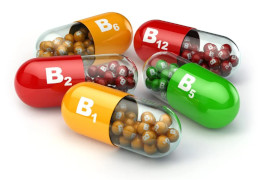
ABC’s of B Vitamins
-
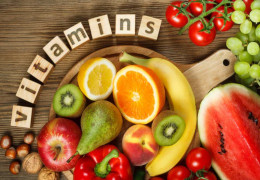
Right Vitamins

Secrets of
Right Vitamins
Dietary supplements include vitamins, fish oil, herbs, minerals like calcium, and more. And if you take one, you’re not alone. About half of U.S. adults do. But should you?
That’s a question for your doctor or dietitian, says Linda Van Horn, a professor of preventive medicine at Northwestern University.
“I get some concern when I see people take one of these and one of those, just because they’ve read somewhere that a supplement is helpful,” Van Horn says. “Imbalances can easily occur, and you may not be aware of it.”
Read more
-

Smoking
-
Quitting Smoking
Secrets of
Quitting Smoking
People who smoke take in the chemical nicotine from tobacco. Each time you use tobacco, nicotine triggers the brain's reward system. People become addicted to that trigger. But people who smoke also can get used to the
habit of smoking, not just the nicotine. The chemical addiction and the habits people form around smoking, when combined, make it hard to quit. Like most people who smoke, you may have tried to quit. But it's rare to stop
smoking on your first attempt, and even harder if you try to do it without help. You have a better chance of preventing smoking relapse if you have help, and if you make a plan.
Read more
-

Work Life Balance
-

Happiness

Secrets of
Lifes Balance
The answer to that question is in your hands. You define balance for yourself. That means you have an opportunity, but also a responsibility when it comes to life balance. You can't look to your boss, friends, gurus, or
celebrities to define it for you. That said, a better understanding of the concept can help support you in the definition process. A 2018 study indicates there are over 230 different conceptualizations of balance in the
academic research — work-life balance, work-family balance, work-family conflict, work/non-work balance and so on. Lucky for us, this same research also indicates there are common themes across these conceptualizations. It’s
these themes that can be helpful as you aim to better understand and define balance for yourself.
Read more
-
Healthy Weight
-

Healthy Choices
Secrets of
Healthy Weight
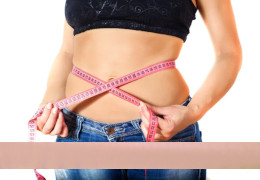
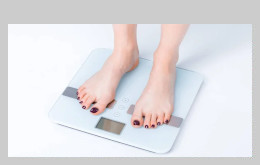
Managing your weight contributes to good health now and as you age. In contrast, obesity can lead to serious health problems including type 2 diabetes, high blood pressure, heart disease, and stroke.
Counting calories all the time is not necessary, but it may help to know how many calories you need. You can calculate how many daily calories are needed to maintain your current weight. The calculation
is based on your age, sex, height, weight, and physical activity level. Results show the recommended daily amounts of fruits, vegetables, protein, dairy, and grains for adequate nutrition at your calorie level.
Consuming a variety of healthy food is better than eliminating one type of food such as carbohydrates.
Read more
-

Healthy Yoga
-

Healthy Exercise

Secrets of
Healthy Relaxing
You know stress can creep into your life when you least expect it, but finding effective ways to unwind doesn't have to be complicated. You might already be familiar with some popular techniques,
but there are lesser-known natural relaxation secrets that could truly transform how you manage stress. From simple breathing exercises to the calming effects of herbal teas, these methods can fit
seamlessly into your daily routine. Curious to discover which practices can provide the most relief and insight? Let's explore these ten strategies that could make a significant difference in your life.
Read more
-
Healthy Happier Life
-
Healthy To Happiness
Secrets of
Healthy Lifestyle
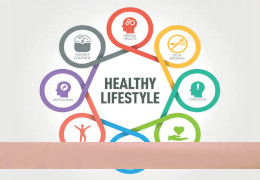
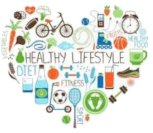
At this extreme moment, we began working from home, away from campus, and keeping social distance for as many
people as possible. As we stay home and are stuck with the foods that have been in our fridge or pantry for a while,
we are temporarily living a sedentary lifestyle with increased odds of physical inactivity, excessive eating and sitting,
stress, anxiety, and depression. In particular, many of us will gain some weight during the pandemic and may keep the
extra weight permanently, which may carry considerable health risks for type 2 diabetes, hypertension, heart attack,
stroke, and other health problems.
Read more